4. Competition Research
This post will primarily be more in-depth research into one of the competing toys I included in my project proposal. I chose Furby to research further due to its similarities with my project, as well as my personal familiarity with Furby in the past.
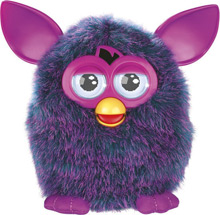
The popularity of Furby waned in later years until 2012 when Furby was rereleased with LCD screen eyes and an accompanying mobile app. This app enabled the new Furbys to play minigames, and feed it different "foods" by swiping food towards the Furby. This gave a whole new dimension of personality and play to Furbys, giving them unique personalities. A whole language was created for Furbys, called "Furblish", which enables the Furby voice tracks to sound less repetitive.
Conclusion: Furby can be considered an early pioneer of this kind of interactivity with toys, and its novelty was no doubt a contributor to its early success. However, Furbys are also not everyones' cup of tea, with detractors calling them "creepy". The onset of the LCD screen eyes only adds to this "demonic" look. Furbys also do not have an "off" button, and interactions can still get repetitive and annoying pretty quickly
I received a Furby for Christmas when I was about 4 or 5 years old (around the peak of Furby popularity in 1999). I loved that creepy little hamster toy thing, even though it freaked out parents and my grandfather hid it in a cupboard because it would just wake up and talk randomly. Thinking back about it as an adult, I'd want to implement more options to customise the possible interactions with a toy.
Furby
Initially launched in 1998, Furby is a robotic toy with a roundish egg-shaped body, two feet, big ears, and eyes which could blink. The body shape has been compared to a hamster or an owl. The original release saw sales of over 40 million Furbys, indicating that there was a market demand for toys who had their own voices and could interact with children. Early Furbys could react to sounds and being "fed" (by opening up the Furby's beak-like mouth).The popularity of Furby waned in later years until 2012 when Furby was rereleased with LCD screen eyes and an accompanying mobile app. This app enabled the new Furbys to play minigames, and feed it different "foods" by swiping food towards the Furby. This gave a whole new dimension of personality and play to Furbys, giving them unique personalities. A whole language was created for Furbys, called "Furblish", which enables the Furby voice tracks to sound less repetitive.
Conclusion: Furby can be considered an early pioneer of this kind of interactivity with toys, and its novelty was no doubt a contributor to its early success. However, Furbys are also not everyones' cup of tea, with detractors calling them "creepy". The onset of the LCD screen eyes only adds to this "demonic" look. Furbys also do not have an "off" button, and interactions can still get repetitive and annoying pretty quickly
I received a Furby for Christmas when I was about 4 or 5 years old (around the peak of Furby popularity in 1999). I loved that creepy little hamster toy thing, even though it freaked out parents and my grandfather hid it in a cupboard because it would just wake up and talk randomly. Thinking back about it as an adult, I'd want to implement more options to customise the possible interactions with a toy.

Comments
Post a Comment